Blog
Making the case for Wessex life sciences
19 November 2026
Blog
19 November 2026
When I think about the strength of life sciences in Wessex, I think about the people who make it work. The clinician who sees a problem in everyday care. The researcher asking a different question. The innovator developing a solution. And the person willing to take part in a study because it could help someone else.
What matters is how we are connecting those people, and how we help their work make a difference to our NHS systems. That is the case we are making for Wessex.
Across Hampshire and the Isle of Wight, Dorset and South Wiltshire, we have innovation and research expertise, a skilled workforce and businesses developing technologies with national and international potential. Our region brings together seven universities and more than 300 life sciences businesses, employing around 24,400 people in the sector.
Those strengths give us a strong foundation. The opportunity is to help more discoveries and innovations move through development, evaluation and into use, so that patients and health and care teams experience the benefit.
Helping innovation reach everyday care.
At Health Innovation Wessex, that journey is central to our work. An idea needs evidence, a clear understanding of the problem it addresses, and a route into practice. Innovators need partners who understand the health system. NHS teams need confidence that a new approach can meet their patients’ needs and work in a busy service. Pocketalk offers an example of what that support can achieve.
Health Innovation Wessex helped introduce and evaluate Pocketalk, an AI-powered translation device that enables real-time communication in more than 90 languages, to address language barriers in maternity and neonatal care at Salisbury NHS Foundation Trust. We have supported its development through accelerator programmes, NHS engagement and evaluation, helping it build the evidence needed for wider adoption.
The results have been significant. Staff reported greater confidence communicating with patients, improved patient experience and reduced reliance on informal interpreters. Following successful implementation, the innovation spread across Wessex, leading to the purchase of 300 devices for use across four acute trusts in Hampshire and the Isle of Wight. The technology has the potential to generate annual savings of up to £6.3 million while supporting safer, more equitable and person-centred care.
Pocketalk's journey demonstrates how targeted innovation support can accelerate adoption. By connecting innovators with NHS partners, clinical expertise and real-world evaluation, Health Innovation Wessex helps turn promising technologies into solutions that deliver impact in everyday care.
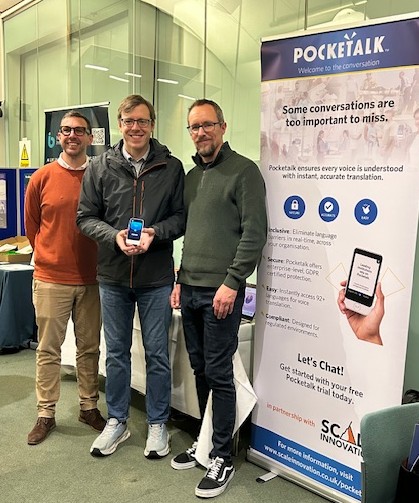
Its continued progress shows why a connected region matters. When innovators can find clinical expertise, evaluation support and the right introductions, there is a clearer path from a promising technology to a product that can be used in care.
Building on what Wessex can deliver
The same principle applies to research. The international HARMONIE study, co-led by experts in Southampton and partner organisations, showed how a long-acting antibody could reduce hospitalisations for RSV-associated lower respiratory tract infection in infants. Behind the findings were researchers, NHS teams, industry partners and families who chose to participate.
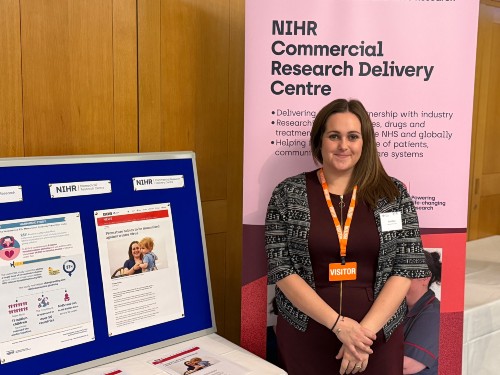
That willingness to work together is a regional strength. It supports the discovery of new approaches and the evidence that helps health services decide how to use them.
Starting with the needs of our communities
Wessex also brings together very different places and experiences. Rural communities face different barriers from people living in a city. Coastal and island communities have their own needs. We have areas of deprivation and digital exclusion, alongside some of the country’s rapidly ageing populations.
For me, this makes involving people from the outset essential. A solution that is difficult to access, hard to understand or poorly matched to everyday life will struggle to make the difference intended. Evaluation needs to ask who benefits, who may be missed and what should change.
This approach can support the shifts towards prevention, digital services and care closer to home. It also gives businesses and investors an opportunity to develop innovations grounded in the realities of health and care.
A practical invitation to champion Wessex
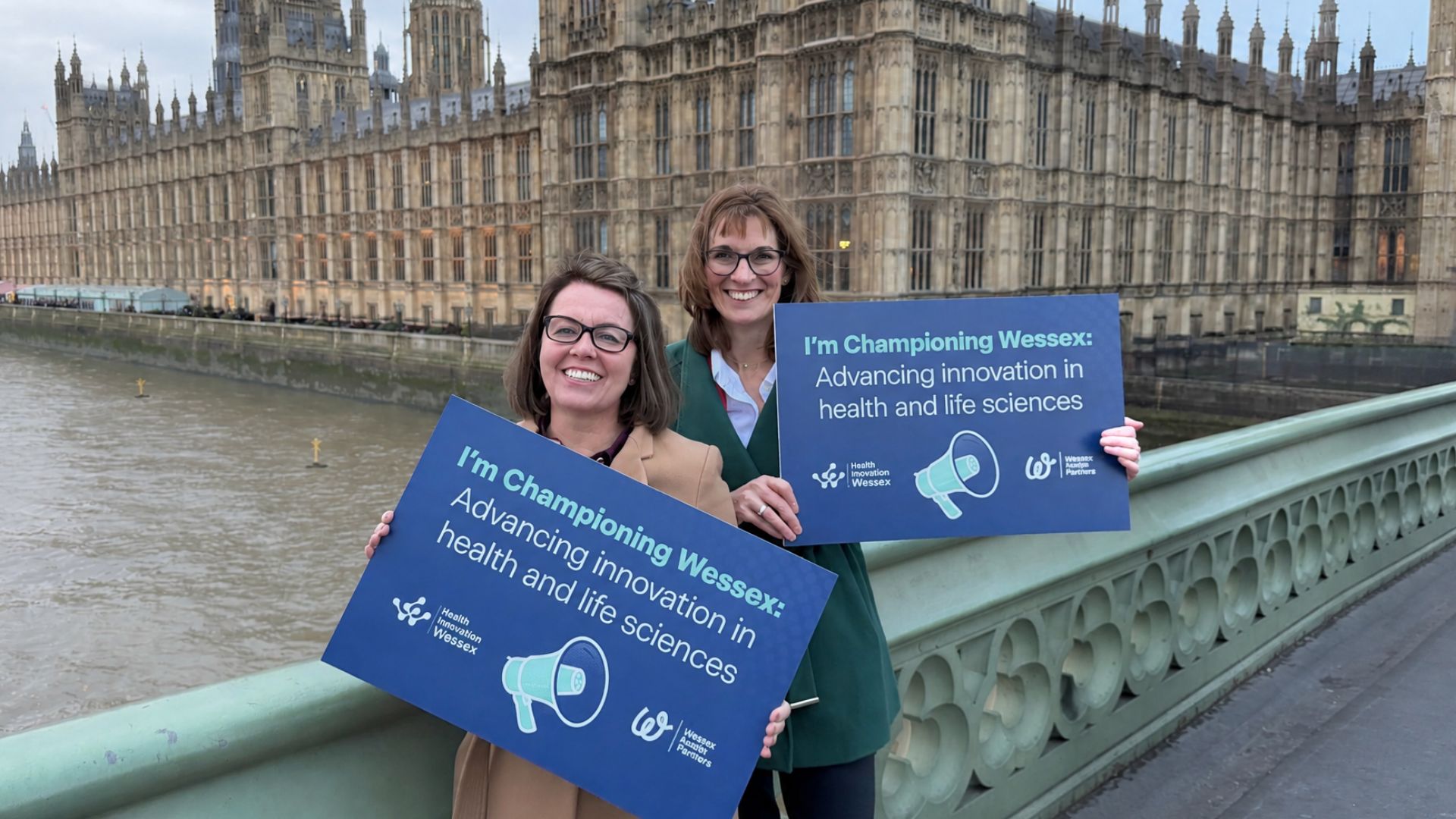
Our event with Wessex Health Partners Academic Health Science Partnership at the House of Commons was an opportunity to bring these strengths to the attention of parliamentarians. The longer-term task is to build relationships that help the region contribute more to national health and growth priorities.
We asked MPs and other partners to visit local projects, introduce us to the people shaping policy and investment, and make the case for Wessex in national discussions. Continued support for research infrastructure, secure data capability and the places where businesses can grow will help that ambition take shape and see our region take its place in national investment policy.
I am proud of what our partners are already achieving. With greater recognition and the right investment, we can help more ideas become part of everyday care and create more opportunities for the people who live and work here.
To investors, innovators and policymakers: come and see what is happening in Wessex. Let's explore how we can work together to bring the next generation of health and care innovations to patients faster, strengthen the economy and create lasting impact.
Share
Need more information?
Contact the communications team:
(023) 8202 0858